How to Winterize Your PWC (Personal Watercraft)

Quick Winterization Overview

• Flush and drain the exhaust system to remove salt and debris.

• Add fuel stabilizer and fill the tank with fresh gas.

• Change engine oil and filter.

• Fog the engine and lubricate key parts to prevent corrosion.

• Remove and charge the battery before storing your PWC clean, dry, and covered.

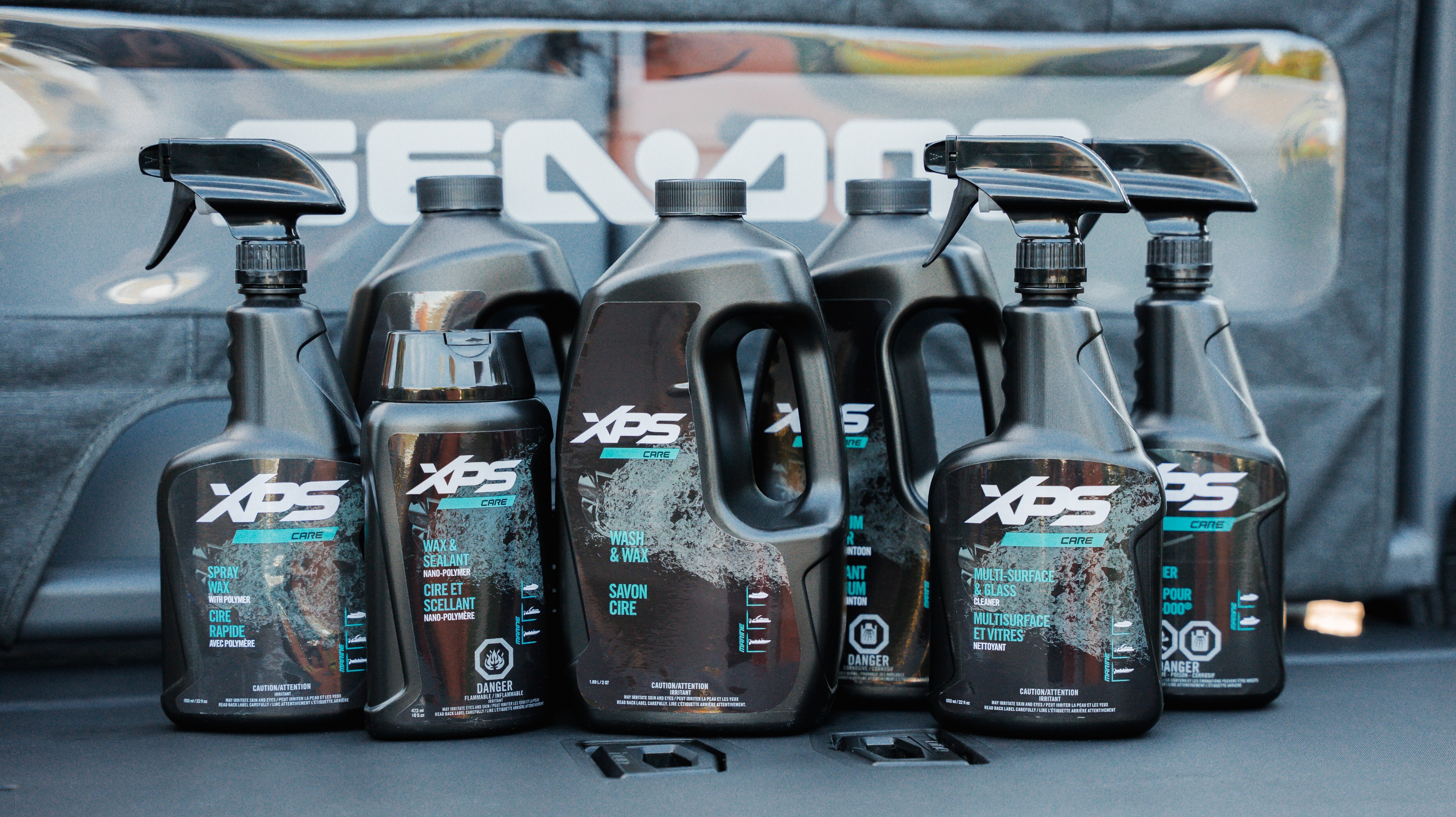
• Use XPS products for lasting protection and reliability.

Why Winterizing Your PWC Matters

Winterizing your personal watercraft is essential maintenance that prevents costly repairs and keeps your ride performing at its best. Without proper preparation, leftover water, fuel, or grime can cause corrosion, freezing, and electrical issues.

Even riders in warmer regions benefit from these steps — proper long-term storage keeps your PWC ready for adventure the moment spring returns.


Tools & Products You’ll Need

Prepare your workspace and gather everything you need before starting.

You’ll need:

XPS Oil change kit (engine oil + filter)

XPS Fuel stabilizer

XPS Storage oil (fogging oil)

• Anti-corrosive lubricant for personal watercraft

• Marine-safe cleaner

• Garden hose and flush connector

• Air compressor

• Battery charger or maintainer

• Clean microfiber cloths

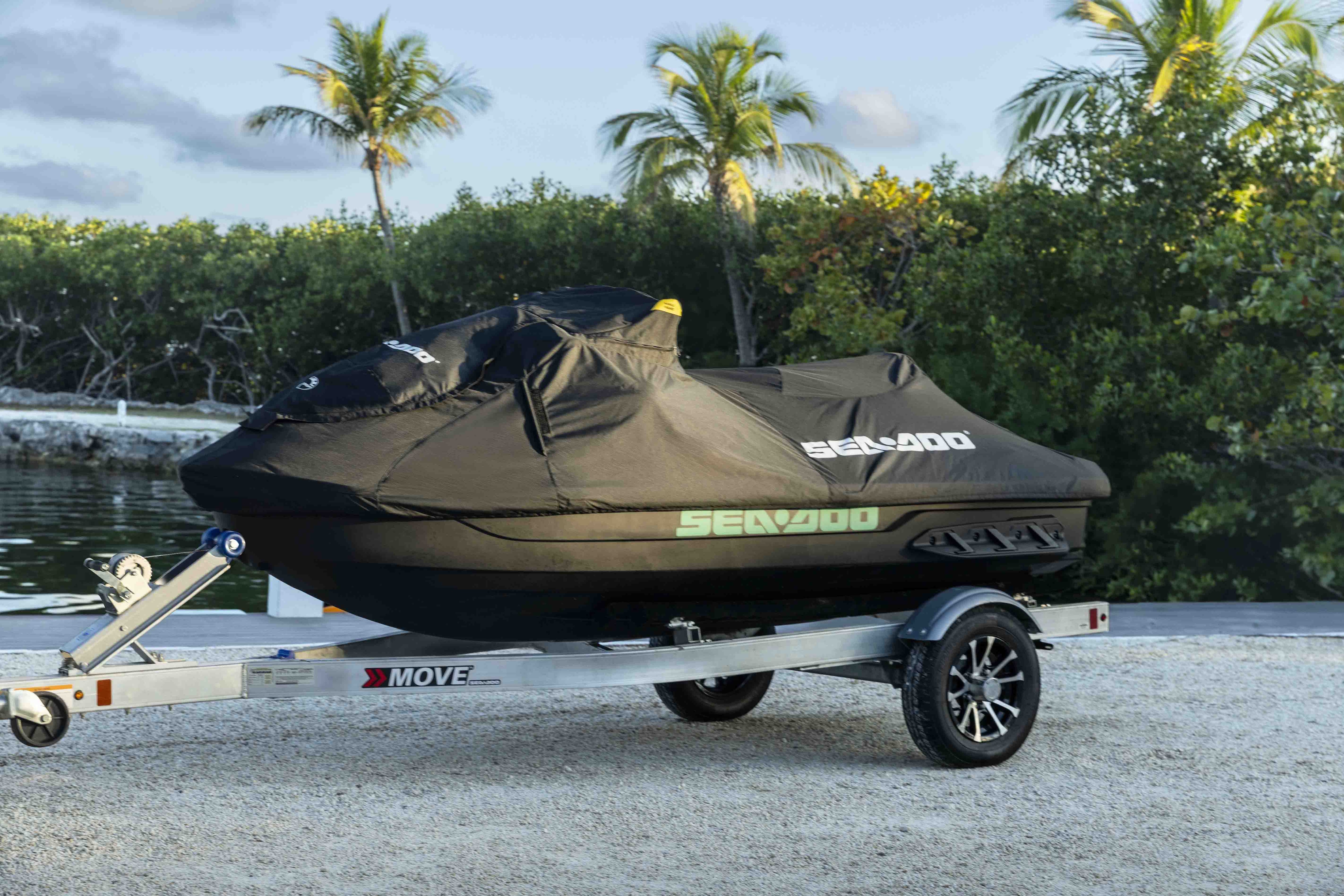
Breathable PWC cover

Sea-Doo recommends XPS maintenance products for optimal long-term reliability.

Step-by-Step Winterization Guide

💡Sea-Doo recommends performing the following steps in an open area.

 1. Clean and Inspect the Jet Pump

Before starting maintenance, inspect the jet pump — the propulsion system that draws and expels water at the rear of your PWC.

• Check the intake grate and impeller for weeds, rocks, or debris.

• Rinse with clean water to remove any residue.

• Spray a light coat of anti-corrosive lubricant on metal parts.

If you notice cracks or damage, contact your Sea-Doo dealer before your next ride.

2. Flush and Drain the Exhaust System

Draining the exhaust system prevents trapped water from freezing and damaging internal components.

• Connect a garden hose to the flush port at the rear of your PWC.

• Start the engine and let water flow at idle for about 90 seconds.

• Turn off the water first, then stop the engine.

• Blow compressed air (55 PSI)* through the port until no water exits.

*Do not exceed 55 PSI — exceeding this limit may cause damage to system components.

Sea-Doo personal watercraft's closed-loop cooling system already contains antifreeze and does not require flushing.

3. Stabilize the Fuel

Fuel can deteriorate over time and cause injector or carburetor issues.

• Add XPS fuel stabilizer per the label instructions.

• Fill the tank completely with fresh gasoline to minimize condensation.

• Run the engine briefly to circulate stabilized fuel through the system.

• Inspect for fuel leaks or odors — if present, consult your dealer.

4. Change the Engine Oil and Filter

Changing oil now ensures a clean start next season.

• Warm the engine slightly to help oil flow.

• Remove the dipstick and drain old oil completely.

• Replace the oil filter.

• Refill with synthetic oil or an equivalent marine oil.

• Verify oil level and check for leaks.

For any other information regarding oil changes, refer to the operator's guide.

💡Note : There is no oil drain plug on a PWC; the oil must be pumped out of the engine using a manual or automatic pump.

5. Fog the Engine and Protect Internal Parts

Fogging coats the inside of the engine to prevent corrosion.

• Remove ignition coils and spark plugs.

• Spray XPS Storage Oil (fogging oil) into each cylinder.

• Hold the throttle fully open and crank the engine 2–3 seconds to distribute oil.

• Apply a small amount of lubricant to spark plug threads.

• Reinstall spark plugs and ignition coils.

6. Lubricate Cables and Seals

Lubrication prevents rust and stiff controls.

• Spray anti-corrosive lubricant for personal watercraft on:
○ Steering and throttle cables
○ Reverse and brake linkages
○ Hinges and exposed metal parts

• Wipe off any excess residue.

7. Battery Removal and Maintenance

Your battery can lose its charge or freeze if stored incorrectly.

• Disconnect the battery, starting with the negative (–) terminal.

• Remove and store it in a cool, dry, ventilated area.

• Connect to a battery maintainer or trickle charger.

• Replace if it no longer holds a full charge.

Contact your BRP dealer for any questions regarding battery replacement.

🧠Pro tip: Never skip charging — a drained battery can freeze and fail.

8. Final Cleaning and Storage

Finish with a full exterior cleaning and inspection.

• Wash the hull and deck with a marine-safe cleaner.

• Remove salt, grime, and organic buildup.

• Inspect the hull for scratches or cracks.

• Dry thoroughly and apply a protective coat of wax if desired.

• Cover your PWC with a breathable, fitted cover and store in a dry, ventilated place.

Avoid wrapping in plastic or non-breathable materials, which can cause mold.

FAQ – Top Rider Questions

No. Sea-Doo personal watercraft's closed-loop cooling system already contains antifreeze. Only the exhaust system requires draining or flushing before storage.

Skipping winterization can cause corrosion, fuel degradation, battery failure, and even freezing damage. Even in mild climates, long-term storage without prep can shorten your PWC’s lifespan and performance.

Yes. Even without freezing weather, you should stabilize fuel, fog the engine, and disconnect the battery for long-term storage. It prevents corrosion and keeps your Sea-Doo personal watercraft ready to ride year-round.

Ready for Next Season?


You’ve protected your PWC from freezing, corrosion, and downtime — so when the season returns, it’ll start like new.

Next steps:

Visit the Sea-Doo Owner Zone to learn how to care about your Sea-Doo PWC all year round.

Shop genuine Sea-Doo XPS products to protect your personal watercraft inside and out.

Find a Sea-Doo dealer near you for expert service or professional winterization.

Protect it now — so next season, it’s all throttle, no trouble.

Related Articles

  • Vehicle Information
    How to check your Sea-Doo Personal Watercraft steering alignment?

    How to check your Sea-Doo Personal Watercraft steering alignment?


    Learn More
  • Vehicle Information
    How to change the oil on your Sea‑Doo personal watercraft?

    How to change the oil on your Sea‑Doo personal watercraft?


    Learn More
  • Vehicle Information
    Where should I have my <br> Sea-Doo PWC serviced? <br> Can I do it myself?

    Where should I have my
    Sea-Doo PWC serviced?
    Can I do it myself?


    Learn More