Where can you ride a personal watercraft?

A personal watercraft (PWC) opens the door to exploring a wide range of waterways—from lakes and rivers to coastal and ocean riding areas—where local regulations allow and conditions are appropriate. Understanding where you can ride and what to expect when you get there, helps you ride safely, protect your Sea‑Doo PWC, and share the water responsibly with others.

Public waterways and local regulations


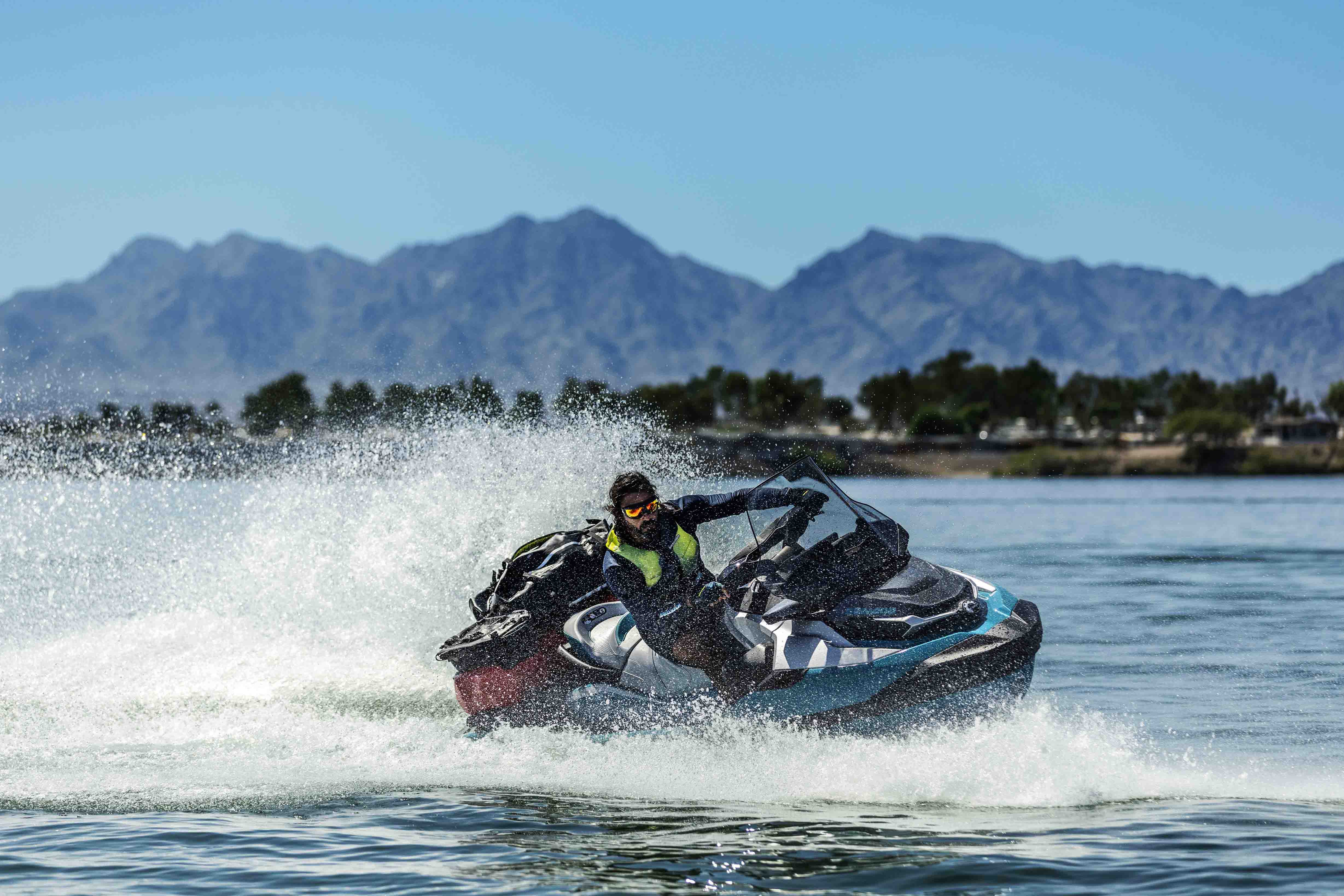
Personal watercraft are allowed on many public waterways, with access typically provided through public boat launches, marinas, or designated recreation areas.

Because waterways are shared spaces, local rules can vary by location. Depending on where you ride, you may encounter:

Speed limits in certain areas
No-wake zones near docks, swimmers, or shorelines
Restricted riding areas designed to protect wildlife or sensitive environments

Always check local regulations before riding and use designated access points.

Pro Tip: New to the water? Build your confidence on the water by learning essential on-water etiquette and safety practices. Explore the Responsible Rider Masterclass, Water 101 to get started.

Before heading to a new riding spot, it’s worth checking local personal watercraft regulations and identifying marked access points. A quick check helps you avoid surprises once you launch.

Freshwater vs. saltwater riding

You can ride your Sea-Doo PWC in both freshwater and saltwater. Both environments are common for PWC riding, but they bring different conditions and post-ride care requirements.

Freshwater environments

Freshwater riding often takes place on lakes or rivers. Conditions are usually easier to read day to day, but boat traffic or shifting water levels can still influence your ride.

Saltwater environments

Saltwater riding often takes place in coastal or ocean areas. Waves, tides, and currents can change conditions throughout the day, so many riders check forecasts or tide charts before heading out.

Saltwater post-ride care

Post‑ride care can vary depending on where you ride, with saltwater being especially hard on your watercraft. After riding, rinse your watercraft thoroughly and follow the Operator’s Guide for recommended exhaust‑system flushing and maintenance to help prevent corrosion and ensure long‑term reliability.

Types of waterways you can ride

Different waterways offer different riding experiences—here’s what to expect on lakes, rivers, and coastal waters. Understanding these characteristics helps you choose a location that aligns with your comfort and experience level.


Lakes


Lakes are often one of the most accessible and versatile places to ride. Many offer public launch ramps, marked boating areas, and open space to explore.

You’ll likely share the water with swimmers, larger boats, and other watersports. Pay attention to:

Changing depth near shorelines
Sandbars in shallow areas
No-wake zones and high-traffic areas

Slow down (idle speed) near shorelines and docks, and always keep a safe distance from other water users.

Rivers


Rivers can be a great way to explore and connect different waterways, but they often require more attention than lakes. Current can be stronger than it looks, and river sections can vary a lot from one stretch to the next. Narrow channels, shallow sections, and floating branches are common, so reading the water ahead helps you choose comfortable sections to ride through.

Protect your watercraft: Stay aware of depth to keep rocks or gravel out of your jet pump. For floating debris, the Intelligent Debris-Free (iDF) pump system enables riders to clear the intake at the touch of a button—so you can keep riding without interruption.

Oceans and coastal waters


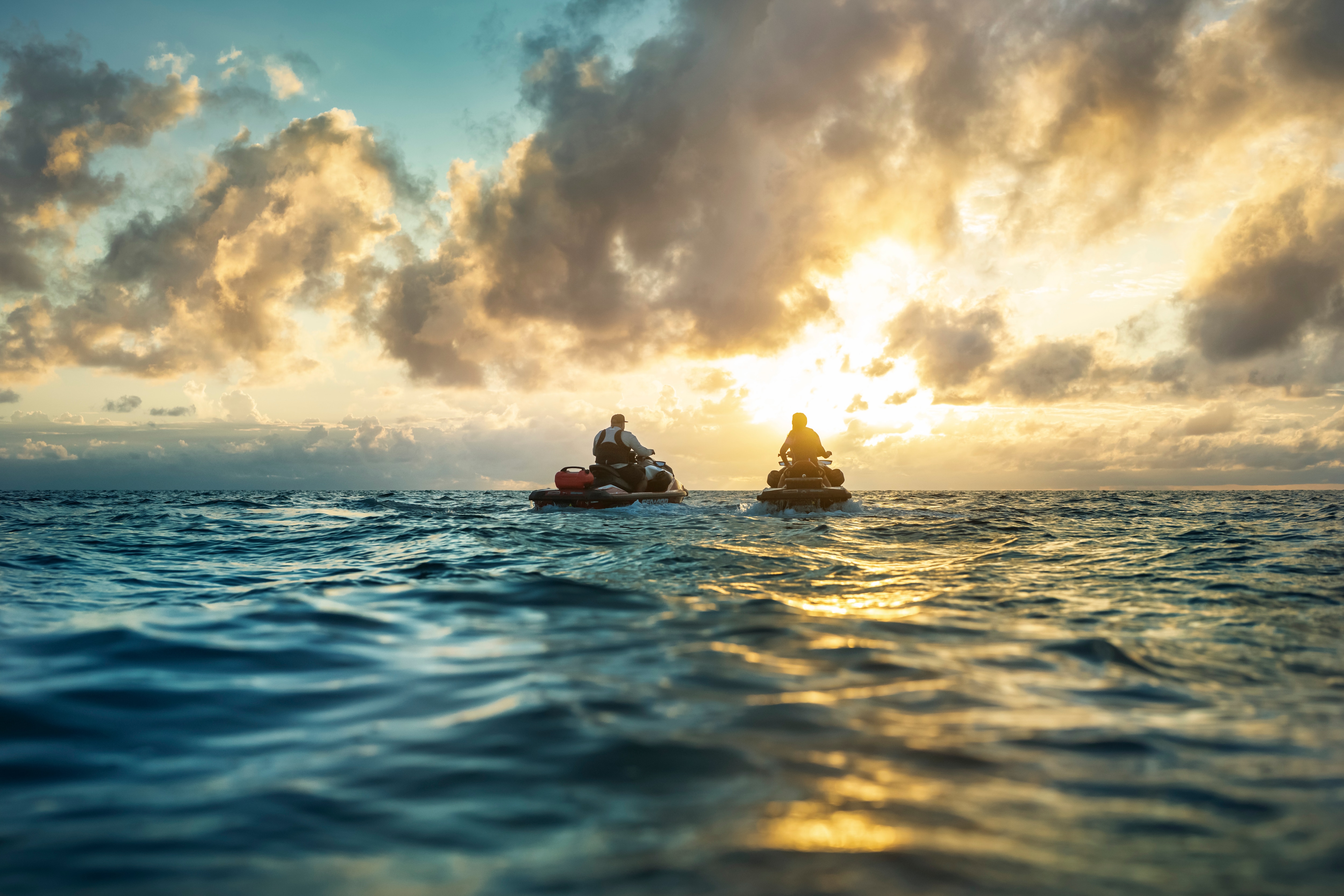
Ocean and coastal riding can feel more open and dynamic than riding inland. With more space comes more exposure to changing conditions, so riders often plan outings around weather and timing. Maintain safe distances from wildlife, shorelines, other users, and respect protected or restricted areas.

After-ride care: Because salt is corrosive, ocean riding also requires a thorough freshwater flush of the engine and exhaust after every outing.

Explore more of the water with a PWC


One of the things Sea-Doo personal watercraft riders love most about their personal watercraft is how close it lets you get to the experience. Their size and agility often make it easier to reach places that larger boats might not approach as closely. You might find yourself following the shape of a coastline, drifting near a sandbar, or exploring a quiet cove you might otherwise pass by.

That freedom often changes how a day on the water feels. Instead of simply heading from one destination to another, the ride becomes part of the experience—taking in the scenery and enjoying the time on the water as you go.

Digital tools for water discovery


Many riders now use mobile apps and digital maps to explore new riding areas or plan routes ahead of time. Whether you’re checking access points, looking for fuel stops, or scouting a new stretch of coastline, GPS-based tools can make planning easier.

The BRP GO! app lets you discover new routes, identify points of interest, and view navigation information on compatible Sea-Doo displays—so you spend less time guessing and more time riding.

Choosing a safe place to ride a PWC

With so many waterways open to exploration, picking the right place to ride makes a big difference in how enjoyable your day will be.

Choose locations with:

Clear access points, such as launch ramps or designated entry areas
Adequate depth for safe maneuvering
Manageable traffic so you have room to ride comfortably
Predictable conditions, including visibility and water movement

Avoid:

Crowded swimming areas or popular shoreline gathering spots
Very shallow or debris-filled sections
Sensitive wildlife zones or protected habitats
Restricted areas

No‑wake zones must always be respected. Reduce speed as required, minimize wake, and follow all posted regulations.

Choosing a permitted, appropriate location is key to riding safely and responsibly.

Make the most of every ride


With many waterways available, checking access and conditions before you launch helps you choose a place that fits your ride. Planning up front helps protect access to waterways and ensures a better experience for everyone.

To learn more about riding with awareness and respect for the places and people around you, explore the Responsible Rider program, focused on safety, environmental responsibility, and on-water etiquette.